
Quick Summary
Worn-out brakes are dangerous because the car needs more distance to stop and becomes harder to control. They raise the risk of brake fade, full failure and accidents. Delaying repairs also damages rotors and calipers. Every driver should watch for squeaking, grinding or a spongy pedal and replace worn pads early.
When you brake hard, the car's weight shifts forward and the front brakes do most of the work. Worn front brakes therefore affect control the most. Many drivers still put off brake repairs.
Driving with worn-out brakes is dangerous because the car takes longer to stop and becomes harder to control. Worn pads can cause brake fade, full brake failure and serious accidents. Delaying repairs also damages rotors and calipers, so the final bill grows much larger.
Main Risks of Worn Brakes
| Part | What it does |
|---|---|
| Brake pads | Grip the rotors to slow the wheels |
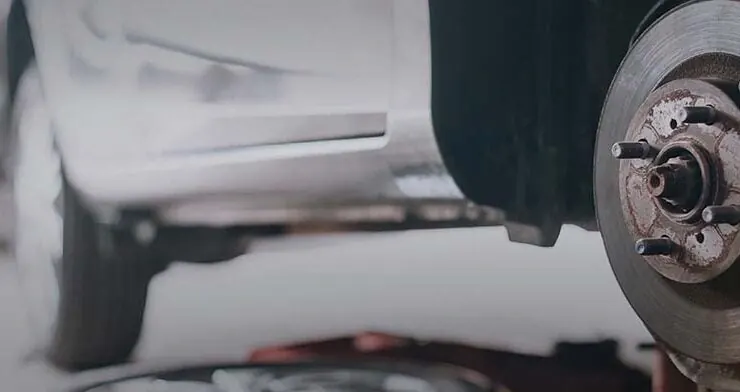
| Rotors | Spin with the wheels and take pad pressure |
| Calipers | Squeeze the pads against the rotors |
| Brake pedal | Lets the driver control braking force |
Longer Stopping Distance
Worn pads lose their grip and cannot slow the wheels well. The car then needs more distance to stop. On wet or slippery roads, the risk of skidding rises. This can cause rear-end crashes and collisions at junctions.
Reduced Control and Stability
Worn front brakes can make the car pull to one side when you brake. This is worse at high speeds or in an emergency stop. Steering control becomes harder just when you need it most.
Brake Fade
Brake fade happens when brakes overheat, lose power and fail to stop the car. Worn brakes fade more easily. Fade is especially dangerous on long downhill roads, where the brakes may not be strong enough.
Risk of Brake Failure
Pads that wear down completely stop working as intended. The brakes may not slow or stop the car at all. Ignoring the early warnings can lead to complete brake system failure.
Higher Repair Costs
Pads worn to the metal damage the rotors. Calipers can also start to malfunction. A simple pad change then turns into a costly repair, or even a full brake overhaul.
Legal and Liability Risks
Driving with faulty brakes puts other road users at risk. If worn brakes cause a crash, the driver may be held liable for the damage and injuries. Keeping brakes in good condition protects you legally as well as physically.
Warning Signs Your Brakes Are Worn
Brakes usually give a warning before they fail. Watch and listen for these signs every time you drive.
- Squeaking or grinding: High-pitched squeals or metal grinding noises often mean the pads are thin or completely worn through.
- Weaker response: The car takes longer to slow down, or you need to press the pedal harder than before.
- Spongy pedal: A soft pedal that sinks further than usual can point to worn parts, air or fluid problems.
- Pulling to one side: The car drifts left or right under braking. This shows uneven wear or a faulty caliper.
Your driving style also affects brake wear, as our guide on how driving habits affect maintenance explains.
How to Keep Your Brakes Safe
Regular brake checks are the simplest way to avoid every risk above. A technician can measure pad thickness and check the rotors, calipers and fluid. Replacing worn parts early keeps repair costs low.
Do not wait for a grinding noise before booking a check. Replace pads as soon as they show signs of wear. Use quality parts that suit your car and the way you drive.
Our article on routine brake inspection and maintenance explains what each check covers. If you are choosing new pads, compare the pros and cons of ceramic brake pads. A brake check also makes sense before any long road trip.
Frequently Asked Questions
How do worn brake pads affect stopping distance?
Worn brake pads make the stopping distance much longer. The pads lose grip and cannot slow the wheels well. On wet roads, the risk of skidding and rear-end crashes rises further.
What is brake fade?
Brake fade happens when brakes overheat and lose stopping power. Worn brakes fade more easily than healthy ones. It is most dangerous on long downhill roads, where the brakes work hardest.
Can worn brakes damage other parts of the car?
Yes, worn brakes can damage other parts of the braking system. Pads worn to the metal can ruin the rotors. Calipers may also malfunction, which can lead to a full brake overhaul.
When should I replace my brake pads?
Replace brake pads as soon as they show signs of wear. Squeaking, grinding, a weaker response or a spongy pedal are clear signals. A regular brake inspection confirms how much pad is left.
Conclusion
Worn brakes lengthen stopping distance, reduce control and raise the risk of fade and total failure. They also damage rotors and calipers and push repair costs up. The biggest danger of driving with worn-out brakes is not being able to stop in time.
Get your brakes checked and serviced with brake pad and disc replacement at Royal Prince Auto Care.
Written by the team at Royal Prince Auto Care, Dubai Investment Park. Questions about your car? Get in touch.