
Quick Summary
Routine brake inspection and maintenance keeps a car stopping safely by catching worn pads, fluid leaks and damaged rotors early. Timely pad changes cost far less than repairing rotors damaged by worn pads. Regular care also extends brake life and keeps pedal feel steady. Every driver and commercial fleet owner benefits from scheduled brake checks.
Brake pads left too long can damage the rotors, turning a simple pad change into a bigger repair. Most brake problems start small. Routine checks catch them before they grow.
Routine brake inspection and maintenance matters because it finds worn pads, fluid leaks and damaged rotors early. Fixing these on time keeps stopping power strong and costs low. Regular care also extends brake life, keeps the pedal feel steady and helps your car meet safety standards.
Key Benefits of Regular Brake Maintenance
Early Problem Detection
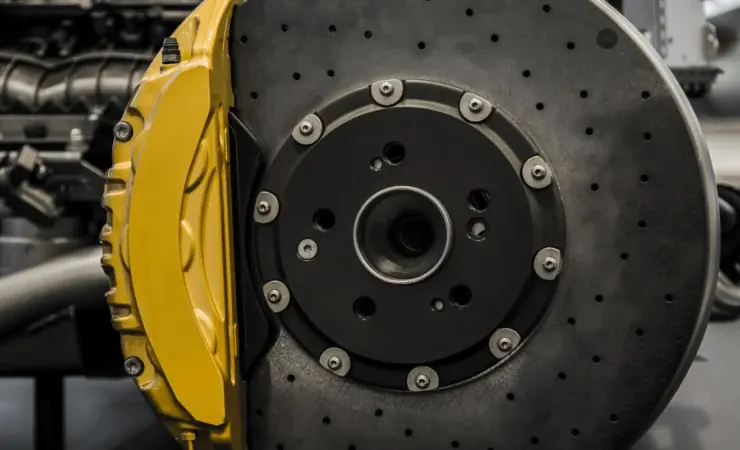
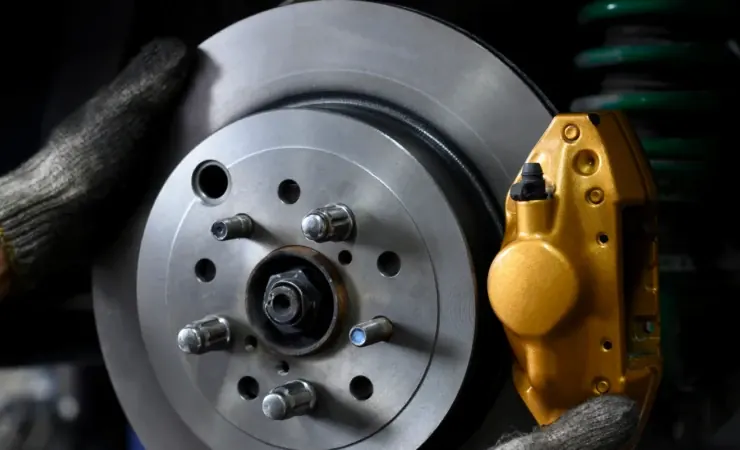
During an inspection, technicians examine the brake pads, rotors and calipers. They look for thinning pads, uneven rotor wear and caliper faults. Finding these early allows repairs before the system gets worse. It also lowers the risk of sudden brake failure.
Cost Savings
Small brake issues are cheaper to fix when caught early. Worn pads left too long damage the rotors. Then you pay for new pads plus rotor resurfacing or replacement. Changing pads on time avoids that extra expense.
Safer, More Reliable Stopping
Regular maintenance catches worn pads, leaking brake lines and damaged rotors. Fixing them prevents sudden failure, weak braking and longer stopping distances. Well-maintained brakes respond the same way every time, so you can react quickly in an emergency. Read about the dangers of driving with worn-out brakes.
Longer Brake System Life
Friction and heat wear down pads, rotors and calipers over time. Routine checks show when parts need adjustment or replacement. Lubricating the calipers keeps them from sticking or seizing. This prevents uneven wear and keeps the whole system working longer.
Better Fuel Efficiency
Worn or poorly maintained brakes can drag and create extra friction. The engine then works harder to keep speed, which raises fuel use. Smooth, well-kept brakes reduce this waste. Our fuel saving tips for the UAE cover more ways to cut costs.
Consistent Pedal Feel
The brake pedal is how you feel the health of the system. Worn pads can make the pedal feel spongy or need more effort. Air or fluid leaks can make it soft. Changes can also point to caliper, brake line or master cylinder problems.
Meeting Safety Standards
A well-maintained braking system keeps your car safe and roadworthy. This matters even more for commercial vehicles that carry goods or passengers. Failing safety standards can lead to penalties and puts lives at risk. Routine inspections help fleet owners stay compliant.
What a Brake Inspection Covers
A full brake inspection looks at every part that helps your car stop. Each one wears in its own way.
| Part | What it does |
|---|---|
| Brake pads | Press on the rotors to slow the wheels |
| Rotors | Spin with the wheels and take pad pressure |
| Calipers | Squeeze the pads against the rotors |
| Brake lines | Carry brake fluid to each wheel |
| Brake fluid | Passes pedal pressure to the calipers |
| Master cylinder | Turns pedal force into fluid pressure |
Common jobs after an inspection include brake pad replacement, rotor resurfacing and brake fluid flushes. If you need new pads, compare the pros and cons of ceramic brake pads first.
Warning Signs Your Brakes Need a Check
Do not wait for your next scheduled check if you notice any of these signs.
- Soft or spongy pedal: The pedal sinks further than usual. This can mean air in the system or a fluid leak.
- More pedal effort: You must press harder to stop, which often points to worn pads or a caliper problem.
- Longer stopping distance: The car takes more road to stop than it used to, even at normal speeds.
- Fluid under the car: A wet patch near a wheel can point to a leaking brake line. It needs urgent repair.
Any of these signs means the brakes should be inspected as soon as possible.
Frequently Asked Questions
What do technicians check during a brake inspection?
Technicians examine the brake pads, rotors and calipers for wear or damage. They look for thin pads, uneven rotor wear, caliper faults and leaking lines. Early findings allow cheaper, simpler repairs.
Can worn brake pads damage the rotors?
Yes, pads left too long can damage the rotors. The rotors may then need resurfacing or replacement along with new pads. Replacing pads before they get too thin avoids that cost.
Why does my brake pedal feel soft?
A soft pedal often comes from air in the brake system or a fluid leak. Worn pads can also change the pedal feel. Problems with the master cylinder are another possible cause.
Do bad brakes affect fuel economy?
Yes, worn or poorly maintained brakes can drag and create extra friction. The engine works harder to hold its speed, so fuel use rises. Smooth brakes help the car use less fuel.
Conclusion
Routine brake inspections catch worn pads, leaks and rotor damage early. They save money, extend brake life, keep the pedal feel steady and support fuel efficiency. Regular brake inspection and maintenance matters because it keeps your car stopping safely every time.
Book a brake check with Royal Prince Auto Care for expert brake pad and disc replacement.
Written by the team at Royal Prince Auto Care, Dubai Investment Park. Questions about your car? Get in touch.