

Quick Summary
Preparing a car for a long road trip starts with checking all fluids and inspecting the tyres. Book a tune-up a week or two before leaving so there is time for repairs. Pack an emergency kit, plan your route and stops, and carry your documents. These steps help drivers avoid breakdowns and travel safely.
Low or dirty fluids are a common cause of engine damage and roadside breakdowns. A long drive puts extra load on the engine, tyres and brakes. A few simple checks before you leave keep you safe.
To prepare your car for a long road trip, check all fluids and inspect the tyres. Book a tune-up a week or two before you leave, then pack an emergency kit and plan your route. Good preparation prevents breakdowns and keeps everyone safe.
Pre-Trip Car Checks for a Long Drive
Check All the Fluids
Low or dirty fluids can damage the engine and lead to costly repairs. Check the engine oil level and make sure it is not too dirty. Check that the coolant is at the correct level and mixed with water at the right ratio. Top up the brake fluid, transmission fluid and washer fluid as needed. Our tips on keeping the cooling system healthy help on hot roads.
Inspect the Tyres
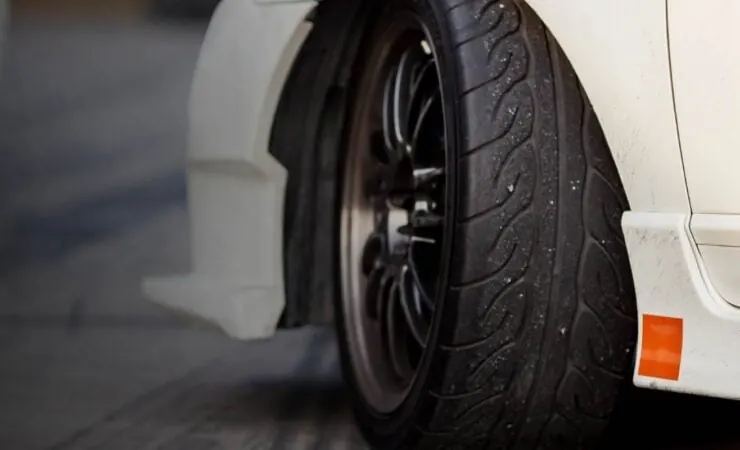
Check the tyre pressure with a gauge and match it to the figure in your car's manual. Low pressure can cause blowouts and lowers fuel efficiency. Look for worn tread, cracks or bulges, and replace damaged tyres before the trip. Learn what to do with a flat tyre on the road.
Get a Tune-Up
Book a tune-up at least a week or two before the trip. This leaves time for any repairs. A mechanic checks the brakes, battery, air filters, spark plugs and other key parts. Catching problems early prevents breakdowns and can improve fuel efficiency. Our battery maintenance guide explains what to look for.
Clean the Car Inside and Out
Remove clutter and rubbish, vacuum the floors and seats, and wipe the surfaces. Clean the windows, mirrors, windshield, headlights and taillights for better visibility. Cleaning also helps you spot damage that needs fixing before you go.
Pack an Emergency Kit
Even a well-prepared car can break down. Pack a first-aid kit, a flashlight with spare batteries and reflective triangles. Add a tyre pressure gauge, jumper cables, food and water. Keep a charged phone and a charger in the car.
Plan Your Route and Stops
Planning your route saves time and reduces stress. Map the most efficient route and think about distance, traffic, road closures and construction. Plan regular stops to stretch your legs, use the restroom and refuel. Note places to grab a meal or snack along the way.
Have a backup plan in case of heavy traffic or other delays. Charge your phone, GPS and other devices before you leave, and bring a portable charger. Music and podcasts help pass the time and keep you alert. If you travel with others, a deck of cards is handy at rest stops. Fill the fuel tank before long empty stretches of road.
Documents and Insurance to Check
Carry a valid driving licence, proof of insurance and a copy of your vehicle registration. If you cross international borders, bring your passport and any visas you need. Renters should keep the rental agreement in the car. Store medical documents, such as prescriptions, in the same folder.
Review your insurance policy before the trip. Check your liability, collision and comprehensive coverage. Consider adding roadside assistance for extra support if the car breaks down. Keep a copy of your insurance card and policy details in the car. Store all documents in a waterproof folder that is easy to reach. Tell someone at home your route and expected arrival time.
Frequently Asked Questions
What fluids should I check before a long drive?
Check the engine oil, coolant, brake fluid, transmission fluid and washer fluid before a long drive. Top up anything that is low. Make sure the coolant is mixed with water at the correct ratio.
What should be in a car emergency kit?
A car emergency kit should hold a first-aid kit, a flashlight with spare batteries and reflective triangles. Add jumper cables, a tyre pressure gauge, food and water. Keep a charged phone and charger too.
When should I get a tune-up before a road trip?
Get a tune-up at least a week or two before a road trip. That leaves enough time for any repairs. A mechanic checks the brakes, battery, filters and spark plugs to catch problems early.
Should I add roadside assistance to my car insurance?
Adding roadside assistance is worth considering before a long trip. It gives extra support if the car breaks down far from home. Also review your liability, collision and comprehensive coverage before you go.
Conclusion
Preparing a car for a long trip means checking the fluids, tyres and key parts, and booking a tune-up early. An emergency kit, a planned route and the right documents complete the job. These steps help you avoid breakdowns and enjoy the drive.
Before your next trip, book a car minor service at Royal Prince Auto Care to get your car road ready.
Written by the team at Royal Prince Auto Care, Dubai Investment Park. Questions about your car? Get in touch.