

Your car’s suspension system is crucial to a smooth, safe ride. It keeps your tyres in contact with the road, absorbs bumps, and helps you stay in control while steering or braking. When the suspension wears out or fails, you may notice rough rides, uneven tyre wear, or difficulty handling your vehicle.
Driving with a bad suspension can affect comfort more than driving. It can reduce control, increase stopping distance, and put extra strain on other parts of your car, such as brakes and steering. Catching issues early can save you money, improve safety, and keep your car performing at its best.
What is a Car Suspension System?
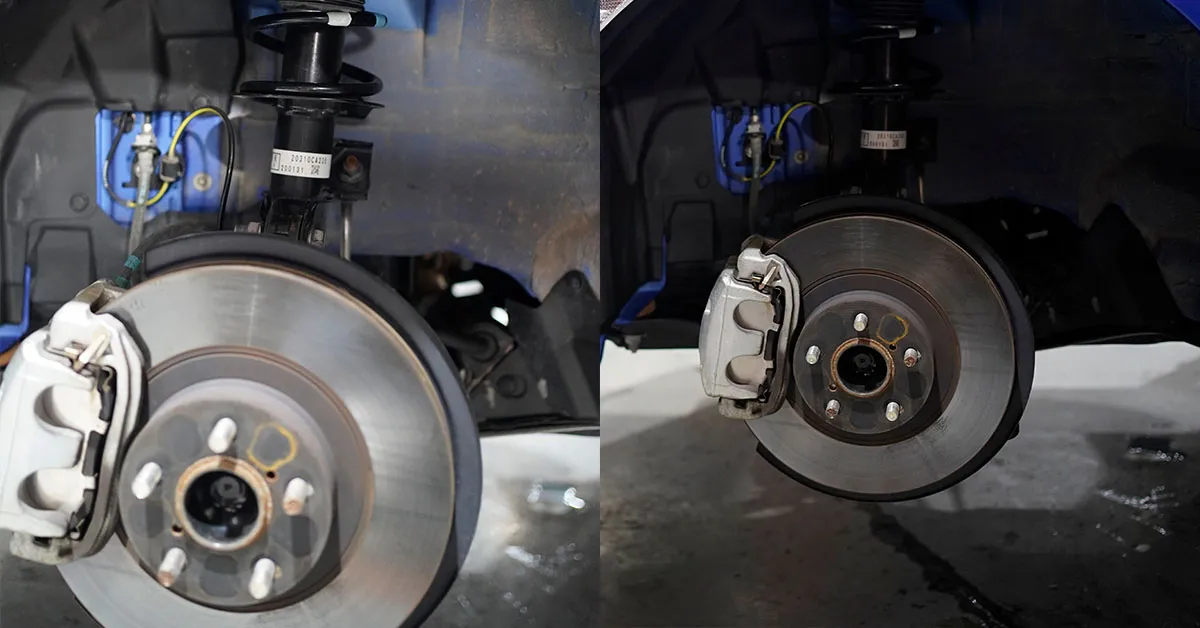
A car suspension system connects your vehicle’s wheels to its frame, helping absorb bumps and shocks from the road. It includes components such as springs, shocks, struts, control arms, and sway bars, all working together to provide a stable, comfortable ride.
Beyond comfort, the suspension plays a key role in safety. It keeps your tyres in proper contact with the road, improves handling during turns, and helps maintain control when braking. A healthy suspension ensures your car drives smoothly. It responds well and stays safe under different road conditions.
How to Know if Your Car Suspension System is Bad
Your car’s suspension usually wears out slowly, not suddenly. The changes often begin with small comfort issues and then turn into handling problems. If you notice unusual movement, noise, or instability while driving, your suspension may already be weakening. Recognizing these warning signs early helps you avoid unsafe driving and expensive repairs.
Rough and Bumpy Ride
A properly functioning suspension absorbs road shocks and keeps the cabin stable. Even on uneven surfaces, the car should feel controlled and comfortable. When suspension parts wear out, they lose their ability to properly absorb impact.
You may start feeling every bump, crack, or speed bump more than before. The car may also bounce repeatedly after hitting a bump, rather than settling quickly. This usually means the shocks or struts are no longer controlling movement effectively.
Uneven or Fast Tyre Wear
The suspension keeps your tyres properly aligned with the road surface. It helps distribute weight evenly, so tyres wear at a normal, balanced rate. When suspension components become weak or damaged, wheel alignment is affected.
As a result, tyre treads may wear unevenly or faster than expected. You might notice one side wearing more or irregular patterns forming on the surface. This reduces traction, affects braking performance, and significantly shortens tyre lifespan.
Unstable or Difficult Steering
A healthy suspension provides a smooth, predictable steering response. The vehicle should move exactly where you guide it without hesitation or resistance. When suspension parts weaken, steering behaviour starts to change.
You may feel looseness in the steering wheel or notice the car pulling slightly to one side. In some cases, steering becomes harder to control, especially at higher speeds. This happens because the suspension is no longer properly stabilizing the vehicle.
Front End Dives During Braking
When you apply the brakes, your car’s weight shifts forward. A functioning suspension controls this shift and keeps the vehicle balanced. If suspension components are worn, this movement becomes excessive.
The front of the car may dip sharply during braking, a condition known as nose-diving. This makes stopping feel less stable and can increase braking distance. Over time, it can also place extra stress on braking components.
Excessive Body Roll While Turning
Your suspension supports the vehicle’s body and keeps it balanced during turns. Normally, the car should remain steady and controlled when changing directions. A worn suspension struggles to manage weight transfer properly.
You may feel the vehicle leaning heavily on one side when turning or changing lanes. The car may also sway more than usual, especially at higher speeds. This reduces stability and increases the risk of losing control.
Visible Damage or Fluid Leaks
Some suspension problems can be seen without driving the car. Shocks and struts contain fluid that helps control movement. When these components fail, they may leak or show visible damage.
You might notice oil around suspension parts or hear knocking sounds when driving over bumps. Damaged or leaking components cannot properly absorb road impact. This means performance and safety are already compromised.
Car Sitting Unevenly When Parked
A balanced suspension keeps the car at level when it is parked on flat ground. If one corner of the vehicle sits lower than the others, it usually means a component has weakened or failed.
A worn spring, damaged strut, or other structural issues could cause this. Even if the car still drives, uneven height affects alignment and stability. Ignoring it can lead to further mechanical stress.
What Happens if You Ignore Suspension Problems
Ignoring suspension issues may seem harmless at first, especially if the car still drives. However, suspension damage slowly affects many other parts of your vehicle. What starts as a comfort problem can quickly turn into a safety risk and an expensive repair.
- Poor vehicle control: The car becomes unstable, especially during turns or sudden movements. Steering may feel loose or unpredictable.
- Longer stopping distance: Weak suspension reduces tyre grip on the road. This makes braking slower and less reliable.
- Faster tyre damage: Wheels lose proper alignment. Tyres wear unevenly and need to be replaced sooner.
- Extra strain on other parts: Steering, brakes, and wheel components are under greater pressure. This can lead to additional mechanical failures.
- Rough, uncomfortable driving: Bumps and vibrations become more pronounced. Driving feels tiring and less smooth.
- Higher repair costs later: Small issues spread to other systems. Delayed repairs usually cost much more.
- Greater accident risk: Poor handling and weak braking reduce safety. The car may not respond well in emergencies.
- Lower resale value: Suspension problems reduce vehicle condition. Buyers often pay less or avoid the car.
Fixing suspension issues early helps protect your safety, comfort, and budget.
Essential Tips to Maintain Your Suspension System
- Regular inspections: Get your suspension checked during routine servicing. Early detection helps prevent major damage.
- Wheel alignment: Keep your wheels properly aligned. Correct alignment protects suspension parts and ensures smooth handling.
- Shock and strut checks: Inspect shocks and struts for leaks or wear. Replacing them on time improves comfort and control.
- Tyre pressure monitoring: Maintain correct tyre pressure at all times. Proper inflation reduces stress on suspension components.
- Avoid rough driving: Slow down on potholes, speed bumps, and uneven roads. Gentle driving helps suspension parts last longer.
- Listen for unusual noises: Pay attention to clunks, squeaks, or rattles while driving. Strange sounds often signal suspension trouble.
- Replace worn parts quickly: Do not delay replacing damaged components. Timely repairs prevent further mechanical issues.
- Follow service schedule: Stick to your vehicle’s recommended maintenance plan. Consistent care keeps the suspension reliable and safe.
Why Expert Care Matters for Suspension Repair and Safety
Suspension repair needs technical knowledge and proper tools. Multiple components work together to control stability, steering, and braking. Professionals can accurately identify the root cause, detect hidden damage, and ensure proper alignment, reducing the likelihood of repeat problems, and keeping your car safe and comfortable.
Royal Prince Auto Care is trusted for quality workmanship and reliable service. Their skilled technicians handle suspension repairs with precision and provide tyre replacement, brake inspections, and car major services or minor services, ensuring long-term performance, safety, and smooth driving.
Conclusion
A healthy suspension system is essential for your car’s safety, comfort, and performance. Ignoring issues can lead to uneven tyre wear, poor handling, and costly repairs. Regular maintenance and timely professional repair ensure your vehicle stays stable and responsive on the road. Trusting Royal Prince Auto Care experts guarantee precise service, reliable parts, and long-lasting results. Taking care of your suspension today means safer and smoother drives tomorrow.