
Quick Summary
Fixing a car AC leak starts with finding the exact leak point, then replacing worn seals, hoses or coils. Refrigerant should be refilled only after the repair. Weak cooling, hissing sounds and frost on pipes are the main warning signs. Drivers in hot climates save money and protect the compressor when they repair small leaks early.
A car AC system is sealed and works under pressure. Over time, parts wear out and tiny gaps let refrigerant gas escape. Heat, vibration, dust and age all speed up this wear.
To fix a car AC leak, first find the leak with UV dye, an electronic sensor or a nitrogen test. Then replace the worn seals, hoses or coils. Refill the refrigerant only after the repair, so the cooling lasts and the compressor stays protected.
How Car AC Leaks Are Found and Fixed
| Part | What it does |
|---|---|
| Compressor | Pumps refrigerant around the system under pressure |
| Condenser | Releases heat from the refrigerant at the front |
| Evaporator coil | Cools the air that flows into the cabin |
| Hoses and seals | Carry refrigerant and keep the system sealed |
| Condensate drain | Takes water out of the car |
Find the Exact Leak First
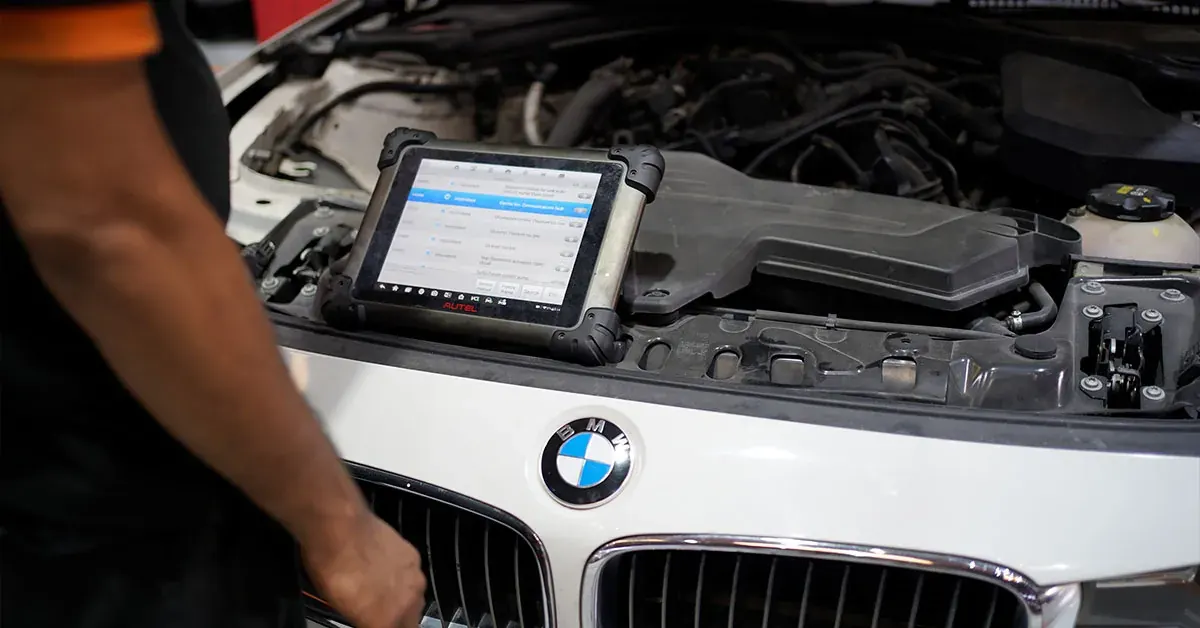
UV dye testing adds a special dye to the system. Under UV light, the leak point glows. Electronic detectors sense refrigerant in the air, even from very small leaks.
Run a Nitrogen Pressure Test
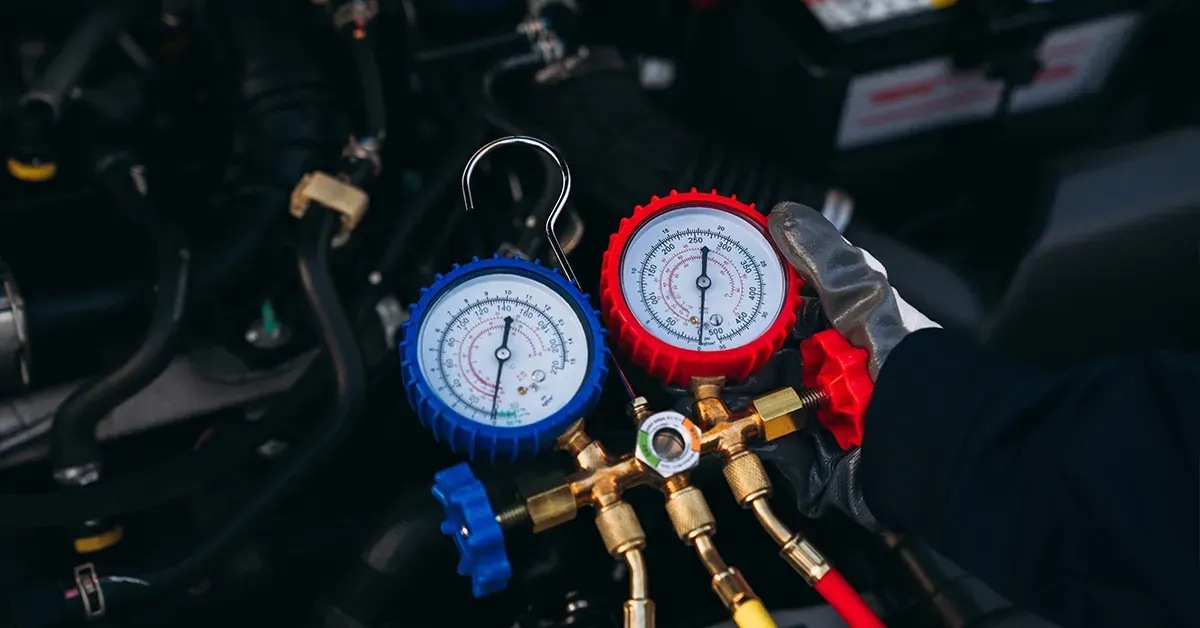
The system is filled with nitrogen to check for pressure drops. This test reveals weak joints and hidden cracks. Accurate testing removes guesswork and stops repeat leaks.
Replace Damaged Seals and Hoses
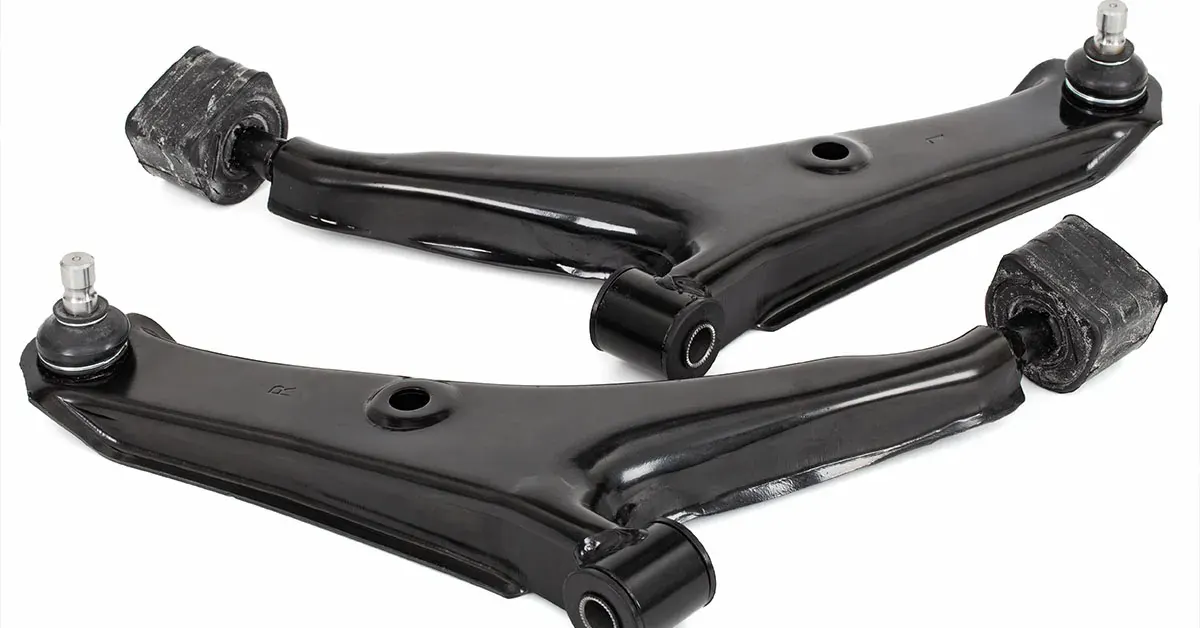
Old seals and cracked hoses should be replaced, not patched. New rubber parts seal better and stop the leak from coming back.
Repair Leaky Condenser or Evaporator Coils
Leaks in the coils usually need professional repair or full replacement. A small stone hitting the front grille can damage the condenser and cause a slow leak.
Clear the Condensate Drain
If water collects inside the car, the drain pipe may be blocked. Cleaning or replacing it restores proper water flow.
Refill Refrigerant Only After the Repair
Gas refilling should come last. Refilling before the leak is fixed only gives short-term cooling.
Signs Your Car AC Has a Leak
You do not need special tools to spot basic AC problems. Watch for these common warning signs.
- Weak cooling: Air from the vents feels weak or turns warm quickly, which often means refrigerant is leaking out.
- Frost or moisture: Ice on AC pipes or water near joints shows refrigerant escaping and cooling the surface fast.
- Hissing or whistling: These sounds often mean gas is escaping under pressure from loose fittings or cracked hoses.
- Damp cabin: Foggy windows, damp carpets or a musty smell point to a blocked drain line trapping water inside.
- Oily marks: Refrigerant carries oil, so leaks often leave greasy residue around hoses, joints and the condenser.
Also check the cabin filter, because a blocked filter can make healthy cooling feel weak.
Why Fixing AC Leaks Early Matters
A leaking AC affects more than comfort. Low refrigerant reduces lubrication inside the compressor. This adds friction and heat, and the compressor may seize and fail. Leaks also let moisture and air enter the system. That moisture causes internal corrosion, blocks expansion valves and damages seals.
A weak AC also makes the compressor work harder, which adds engine load and fuel use. Our fuel saving tips for the UAE explain other ways to cut fuel costs. In Dubai's heat, good cooling also keeps the driver focused and safe. If wiring or sensors control the AC badly, electrical diagnostics can find the fault.
Common Mistakes and How to Prevent Future Leaks
Many drivers refill the gas without fixing the leak. This wastes money and hides the real problem. Overfilling refrigerant is another mistake, because it raises pressure and damages seals. Low-quality gas or oil also harms the system.
- Regular AC servicing: Routine checks keep seals soft and joints tight, which stops small gaps from forming over time.
- Rest the AC: Avoid running the AC at full load for long hours without any rest for the system.
- Act early: Fix small cracks, odd noises or weak cooling before they turn into major and costly leaks.
A healthy engine cooling system also supports good AC performance.
Frequently Asked Questions
Should I just refill the AC gas if cooling is weak?
No, refilling without fixing the leak gives only short-term cooling. The gas escapes again and money is wasted. Repair the leak first, then refill the system to the correct level without overfilling.
Can a leaking car AC damage the compressor?
Yes, low refrigerant means less lubrication inside the compressor. Friction and heat rise, so the compressor works harder and may seize. Leaks also let moisture inside, which causes corrosion and blocked valves.
Why is there water inside my car when the AC is on?
Water in the cabin usually means the AC drain pipe is blocked. Foggy windows, damp carpets or a musty smell are common signs. Cleaning or replacing the drain pipe lets the moisture escape.
Does a leaking car AC use more fuel?
Yes, a weak AC system can raise fuel use. The compressor works harder and adds load to the engine. Over time, this can slightly raise fuel costs, so fixing leaks lowers engine stress.
Conclusion
Car AC leaks are common but manageable. Accurate leak detection, quality parts and a correct refill prevent bigger failures. Fixing small leaks early protects the compressor and saves money on repeated gas refills.
The best way to fix an AC leak is to find it, repair the faulty part, then refill the gas. For lasting cooling, book car AC repair at Royal Prince Auto Care.
Written by the team at Royal Prince Auto Care, Dubai Investment Park. Questions about your car? Get in touch.