
Quick Summary
A pre-purchase inspection checks a used car's body, interior, engine, suspension, brakes, tyres, electrics, AC and frame before you pay. A test drive and paperwork checks complete the picture. A professional inspection finds hidden faults a buyer can miss. Used car buyers can use the findings to negotiate a fair price.
A used car can look perfect on the outside yet hide costly problems underneath. Accident repairs, worn parts and electrical faults are often invisible at first glance.
A pre-purchase inspection checklist covers the exterior, interior, engine, fluids, suspension, brakes, tyres, electrics, AC and frame. A test drive then shows how the car really performs. A professional inspection on top catches hidden faults and gives you facts to negotiate a fair price.
What to Check Before Buying a Used Car
| Part | What to check |
|---|---|
| Exterior | Dents, rust, mismatched paint and panel gaps |
| Engine | Leaks, worn belts and fluid levels |
| Suspension | Smooth rebound and no clunks |
| Brakes and tyres | Pad wear, even stopping and tread depth |
| Electrics | Lights, warnings, battery and accessories |
| Frame | Rust, leaks and signs of past accidents |
Exterior Condition
Inspect the body for dents, scratches, rust and mismatched paint. These can point to past accidents or poor repairs. Check that the doors, bonnet and boot line up properly. Look at the windscreen, mirrors and lights for cracks. Uneven tyre wear may point to suspension or alignment problems, as our list of signs your wheels need alignment explains.
Interior Condition
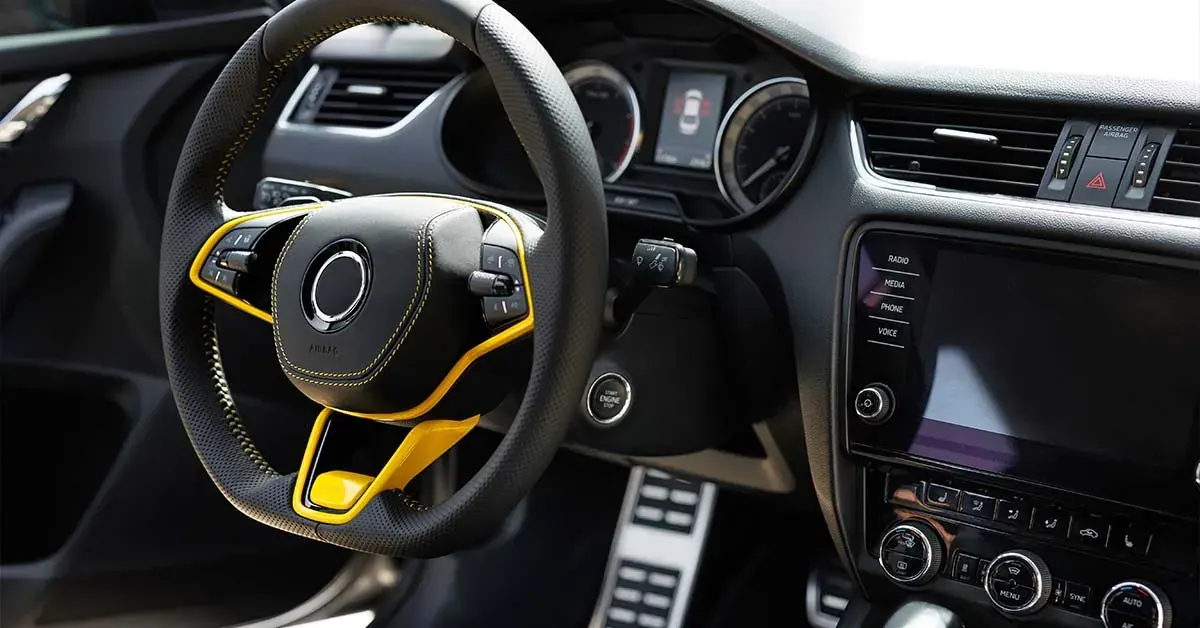
Check the seats, dashboard and controls for wear. Make sure the windows, locks, lights and infotainment system all work. Seat belts should work without any issues. Cosmetic interior upgrades can improve looks, but they will not hide deeper mechanical or electrical problems.
Engine and Fluids
Open the bonnet and look for leaks, worn belts and corrosion on the battery terminals. Check the oil, brake fluid and coolant levels. Signs of neglect can point to bigger problems. Small jobs like an oil change are common, but serious engine damage may need a rebuild.
Suspension and Steering
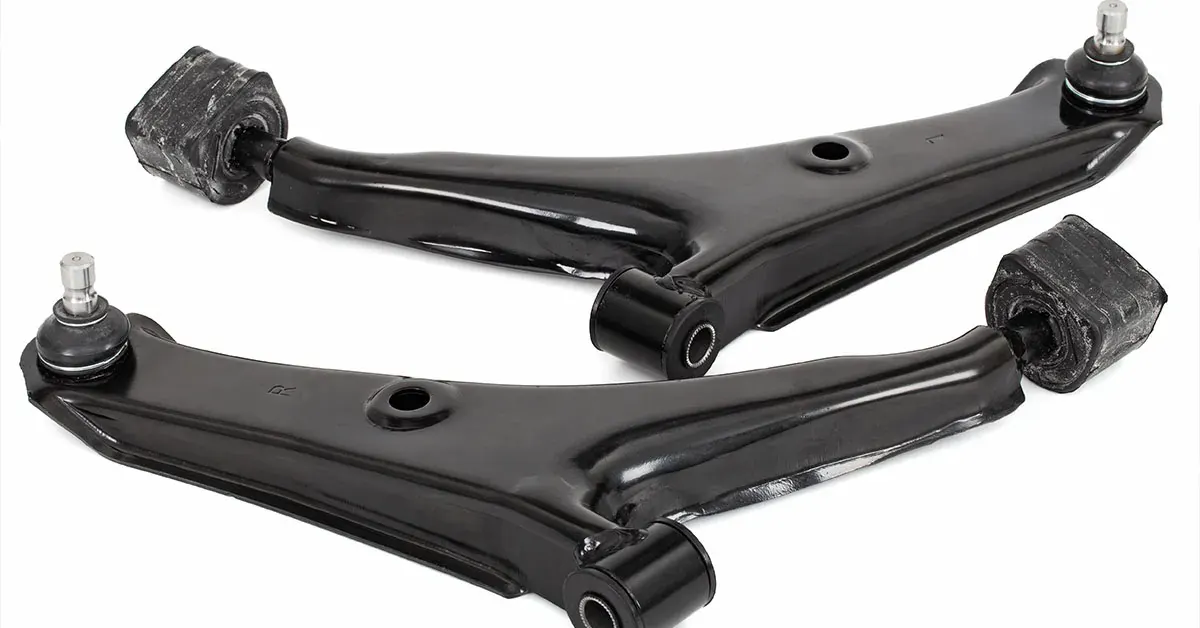
Press down hard on each corner of the car and let go. It should bounce back smoothly. Listen for creaks, clunks or other odd noises that point to worn parts. While driving, the steering should feel smooth without vibration.
Brakes and Tyres
Inspect the brake pads, discs and tyre tread. Test the brakes at low speed. The car should stop evenly without pulling to one side. Worn pads are a common fix, but serious braking issues can mean bigger repairs. Low tread depth means the tyres may need changing soon.
Electrical Systems
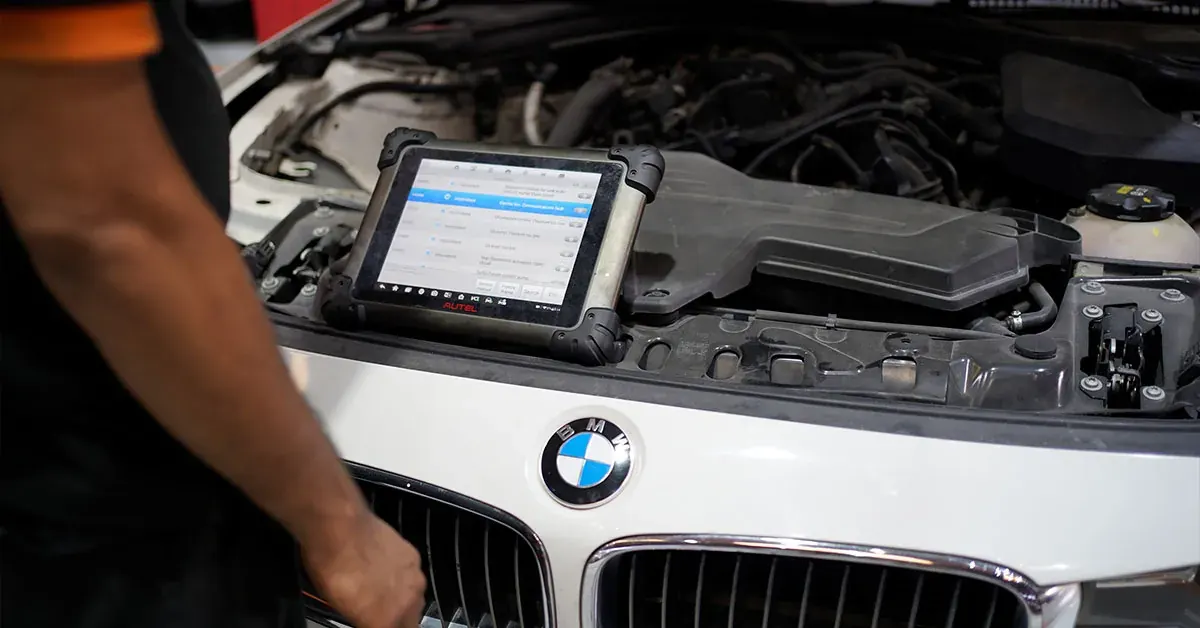
Check all lights, indicators and dashboard warnings. Test the battery and every electronic accessory. Faulty wiring or a weak battery can be expensive to fix. Our guide to dashboard warning lights explains the common ones.
AC and Heating
Test the air conditioning and heating. Weak airflow, strange smells or uneven cooling may mean the AC needs repair. Working climate control matters for comfort and resale value. Ignoring AC faults can lead to costly repairs later.
Body and Frame
Look at the frame and underbody for rust, leaks or signs of past accidents. Accident repairs can hide structural problems. A solid frame protects your safety and the car's long life.
Test Drive
A test drive is essential. Listen for unusual engine, gearbox or suspension noises. Check acceleration, braking and gear changes. Hesitation, grinding or jerks can reveal hidden problems. Smooth performance usually means the car was well maintained.
Paperwork and History Checks
A car's paperwork tells you how it was looked after. Check these points before you agree on a price.
- Service history: Review service records, accident reports and past repairs to understand the real condition of the car.
- Ownership and title: Make sure the car has a clear title. There should be no outstanding loans or legal issues attached.
- Safety recalls: Some older models have safety recalls, so confirm that any open recall work has already been completed.
A chassis number lets you trace much of this. Our guide on checking car history by chassis number shows how. Once you buy, you will also need to transfer car ownership correctly.
Why a Professional Inspection Is Worth It
A professional inspection is worth it even when everything looks fine. Trained technicians can find hidden engine, suspension and electrical problems a buyer might miss. They can also point out small jobs such as an oil change, tyre change or brake pad replacement.
Use the findings when you negotiate. Small cosmetic fixes can be factored into the final price. Major mechanical problems should lower the price a lot, or make you walk away.
An inspection also confirms the frame is solid and the car is safe to drive. That peace of mind is worth far more than the time it takes.
Frequently Asked Questions
What does uneven tyre wear tell you about a used car?
Uneven tyre wear usually points to suspension or alignment problems. The car may need wheel alignment or suspension repair soon. Check the tread depth too, because low tread means new tyres may be needed.
Can mismatched paint mean a car has been in an accident?
Yes, mismatched paint, dents and rust can point to past accidents or poor repairs. Check that the doors, bonnet and boot line up evenly. Uneven panel gaps often mean bodywork was done.
Is a test drive enough to judge a used car?
No, a test drive alone is not enough. It shows how the engine, gearbox and brakes behave, but hides some faults. An inspection of the frame, electrics and fluids fills the gaps.
Should I check the service history before buying?
Yes, service records, accident reports and past repairs show how the car was looked after. Confirm the title is clear with no loans or legal issues. Also check that recalls have been fixed.
Conclusion
A thorough checklist covers the exterior, interior, engine, suspension, brakes, electrics, AC, frame and a test drive. Paperwork checks and a professional inspection complete the picture. The ultimate pre-purchase inspection checks every major system before you pay, so you avoid hidden faults and costly repairs.
Book a car pre-purchase inspection with Royal Prince Auto Care before you buy your next used car.
Written by the team at Royal Prince Auto Care, Dubai Investment Park. Questions about your car? Get in touch.