
Quick Summary
Dashboard warning lights mean the car's onboard system has found a problem that needs attention. Common ones include check engine, ABS, battery, tyre pressure, temperature, oil pressure, airbag, and brake lights. Some have simple fixes, like tightening a gas cap. Others need a diagnostic scan. Dubai drivers who act fast avoid bigger damage and costly repairs.
A dashboard warning light comes on when the car's onboard diagnostic system detects a problem. Dubai's extreme heat can affect car performance, so these alerts matter even more here.
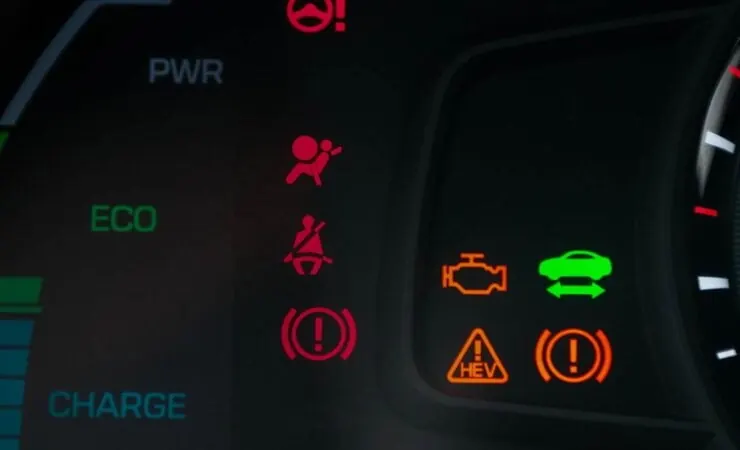
The most common dashboard warning lights are check engine, ABS, battery, tyre pressure, engine temperature, oil pressure, airbag, and brake. Each one points to a specific fault. Acting quickly, by checking the basics or getting a diagnostic scan, prevents bigger damage and costly repairs.
Common Dashboard Warning Lights and Their Fixes
| Warning light | What it means |
|---|---|
| Check engine | Engine or emissions fault |
| ABS | Fault in the anti-lock braking system |
| Battery | Charging system problem or weak battery |
| Tyre pressure (TPMS) | One or more tyres low on air |
| Engine temperature | Engine is overheating |
| Oil pressure | Low oil level or oil pump problem |
| Airbag | Fault in the airbag system |
| Brake | Low brake fluid or worn brake pads |
| ESC or TCS | Stability or traction control fault |
| Washer fluid | Washer fluid reservoir is low |
Check Engine Light
A loose gas cap, a faulty oxygen sensor, or an emissions fault can trigger it. Tighten or replace the gas cap first. If the light stays on, a diagnostic scan finds the exact cause. Read more in our guide to the check engine light.
ABS Warning Light
A faulty sensor or pump is a common cause. Ignoring it can affect braking performance. A qualified technician should inspect and fix the ABS system.
Battery Light
A weak battery or a faulty alternator is usually to blame. Check the battery voltage and charging system. Replacing the battery or repairing the alternator prevents a breakdown. Our post on battery maintenance and troubleshooting explains the checks.
Tyre Pressure Light
Check each tyre and inflate it to the recommended level. Look for punctures or leaks, then repair or replace the tyre. Correct pressure keeps handling safe.
Engine Temperature Light
The engine is overheating, often from a coolant leak or a cooling system fault. Check the coolant level and top up if needed. Then inspect the cooling system for leaks. Our cooling system care tips help prevent it.
Oil Pressure Light
Low oil level or an oil pump problem is the usual cause. Check the oil level and top up if low. Then have the pump and filter inspected for clogs or defects. Running the engine with low oil pressure can damage it.
Airbag and Brake Lights
The airbag light means a fault in the system that protects passengers in a crash. A qualified technician should diagnose it right away. The brake light can mean low brake fluid or worn pads. Top up the fluid and inspect the pads and rotors.
Stability Control and Washer Fluid Lights
An ESC or TCS light points to a faulty sensor or wiring in the stability system. A diagnostic scan finds the fault. The washer fluid light just means the reservoir needs a refill.
Why Warning Lights Matter in Dubai
These small icons are early warnings of faults in the engine, brakes, tyres, or safety systems. Every driver should know what the common lights mean. Dubai's harsh heat adds strain to batteries, cooling systems, and engine oil. Ignoring a warning can lead to serious component damage. In the worst cases, it can even cause a collision.
A light that comes on early gives you time to act. A small fix today often prevents a costly repair tomorrow. Keep the owner's manual in the car so you can look up any symbol quickly. Treat safety lights, such as airbag and brake warnings, as urgent.
What to Do When a Warning Light Comes On
Stay calm and follow these steps.
- Check the symbol: Look up the light in your owner's manual so you know which system has a problem.
- Basics: Look at simple causes first, such as a loose gas cap, low oil, low coolant, or tyre pressure.
- Serious lights: Pull over safely if the oil pressure or engine temperature light comes on, to avoid damage.
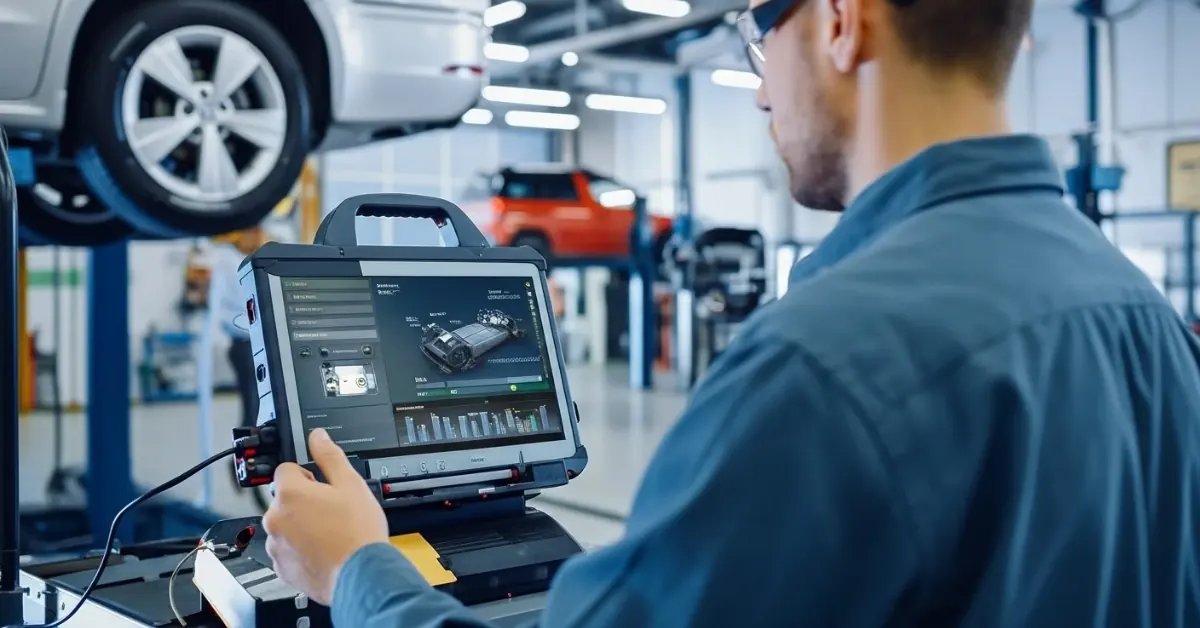
- Diagnostic scan: If the light stays on, a mechanic can read the fault code and find the exact cause.
- Safety systems: Airbag, ABS, and stability faults need a qualified technician, not a home repair or a quick reset.
Frequently Asked Questions
Can a loose gas cap turn on the check engine light?
Yes, a loose gas cap is a common cause of the check engine light. Tighten the cap or replace it if it is damaged. If the light stays on, get a diagnostic scan.
Is it safe to drive with the oil pressure light on?
No, driving with low oil pressure can damage the engine. The light may mean the oil level is low or the oil pump has a fault. Check the oil and get the pump inspected.
Why is the airbag warning light serious?
The airbag light signals a fault in the system that protects passengers during a collision. The airbags may not work as designed. A qualified technician should diagnose and repair it, not a home mechanic.
What does the ESC or TCS light mean?
It means there is a problem with the stability control or traction control system. A faulty sensor or wiring issue is a common cause. A diagnostic scan finds and confirms the exact fault.
Conclusion
Dashboard warning lights are early alerts from your car's diagnostic system. Check engine, battery, temperature, oil pressure, airbag, and brake lights all need prompt attention. Simple checks fix some, while others need a scan and a trained technician.
Our team can find the fault and reset dashboard indicator lights at Royal Prince Auto Care.
Written by the team at Royal Prince Auto Care, Dubai Investment Park. Questions about your car? Get in touch.