

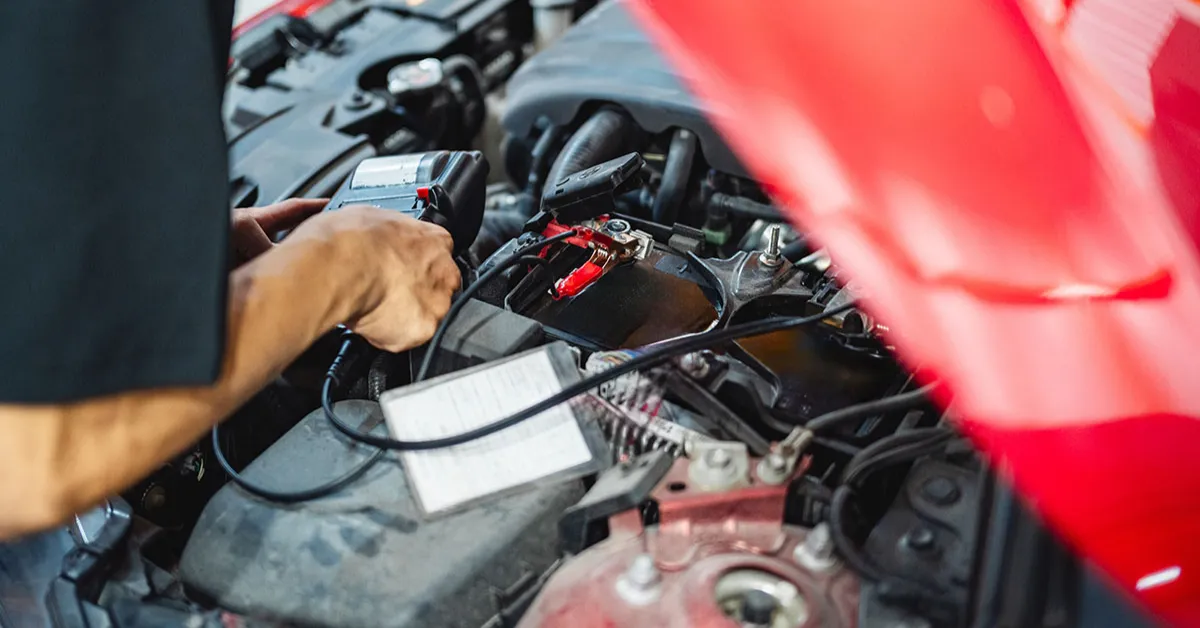
Modern cars use electrical systems to power the engine, provide safety features, and enable comfort functions. When a problem occurs, it is not always obvious, and guessing rarely solves it. Professional car diagnostics are important to find the real issue. Mechanics use special tools to read system data, detect faults, and find hidden problems. This helps identify the exact cause before it becomes a bigger issue.
Diagnostics also help prevent unnecessary repairs and save time. Regular checks catch small issues early, avoid costly breakdowns, and keep the car reliable. Accurate testing ensures all systems work safely and efficiently. It maintains smooth performance over time.
What Are Car Electrical Problems?
Car electrical problems occur when the systems that power and control your vehicle stop working properly. Modern cars rely on connected wiring, sensors, and control modules to run many functions. When one part fails, it can affect multiple systems and may be hard to detect without proper testing.
Electrical issues can happen due to wear, damaged wiring, a weak battery, or faulty sensors. Small voltage changes can cause warning lights, starting problems, or system failures. Regular checks and professional diagnostics catch problems early, keeping your car safe and reliable.
How Car Diagnostics Works Step-by-Step
Car diagnostics is a structured process that helps mechanics find the real cause of a problem. It ensures repairs are accurate and prevents unnecessary replacements. Using this method, hidden faults can be detected before they turn into major issues.
Step 1: Connecting the Diagnostic Scanner
The mechanic connects a scanner to the car’s OBD port. This provides access to system data and stored fault codes. The information collected helps guide the next steps in the diagnosis.
Step 2: Reading Error Codes
The scanner retrieves diagnostic trouble codes from the vehicle. These codes indicate which system may have a problem. Mechanics use these codes as a starting point for further testing.
Step 3: Analyzing Live Data
Technicians monitor real-time data from sensors and electrical components. They can see how each system is performing while the car is running. This helps identify irregular signals that might not trigger error codes.
Step 4: Testing Components and Circuits
Wiring, sensors, and voltage levels are checked if needed. Each circuit is tested to confirm proper operation. This step ensures that the exact source of the fault is identified.
Step 5: Identifying the Root Cause
All results are reviewed to find the true problem. The mechanic pinpoints the faulty component or system. Then, the correct repair plan is recommended.
Warning Signs Your Vehicle Needs Electrical Diagnostics
Electrical problems often give early warning signs before they turn into serious failures. Many drivers overlook these signals, thinking they are minor or temporary. However, unusual electrical behavior usually shows a problem in the system. It needs professional testing to find and fix the issue.
Common warning signs include:
- Check engine or warning lights staying on without a clear reason
- Difficulty starting the car or slow engine cranking
- Flickering or dim headlights and dashboard lights
- Battery draining quickly or needing frequent jump-starts
- Power windows, locks, or infotainment are working inconsistently
- Strange burning smell from electrical components
- Random system alerts or error messages on the dashboard
If you notice one or more of these signs, it is best to get electrical diagnostics done as soon as possible. Early detection helps prevent sudden breakdowns, costly repairs, and safety risks while driving.
Why Electrical Problems Are Hard to Diagnose Without Professionals
Electrical problems in modern cars are tricky because many systems are connected. One fault can affect several components, making it hard to find the real cause. Professional car-scanning diagnostics read system data and accurately find hidden faults.
At Royal Prince Auto Care, technicians use advanced tools to precisely detect issues. It avoids unnecessary repairs and ensures your vehicle is fixed safely.
How to Prevent Electrical Problems in Your Car
Preventing electrical issues is easier than fixing them. Regular maintenance and timely checks can keep your car’s systems running smoothly and avoid costly repairs.
Tips to prevent electrical problems:
- Schedule regular diagnostics: Early detection using professional car diagnostics can catch hidden faults. It prevents them from escalating.
- Check your battery and charging system: Ensure the battery holds a charge and the alternator works properly.
- Inspect wiring and connections: Look for corrosion, loose wires, or damaged insulation.
- Avoid overloading circuits: Don’t add too many aftermarket devices that strain the electrical system.
- Watch for warning signs: Address flickering lights, warning messages, or strange sounds immediately.
Understanding the Cost of Electrical Diagnostics
The cost of diagnosing electrical problems in a car can vary. It depends on the vehicle, the issue’s complexity, and how many systems are affected. Some problems are quick to find, while others need detailed testing and analysis. The time and effort required can also influence the overall cost.
At Royal Prince Auto Care, our skilled team finds the exact issue before any repair. It ensures you pay only for what is necessary and avoids unnecessary work. It also helps to keep your vehicle safe and reliable. Regular diagnostics also prevent small problems from turning into costly repairs later.
Conclusion
Electrical problems can affect several systems in your car simultaneously. Early detection with professional diagnostics helps find issues accurately and prevents major breakdowns. Regular inspections, timely maintenance, and prompt attention to warning signs keep your car safe and reliable.
At Royal Prince Auto Care, our skilled technicians provide precise diagnostics and expert electrical repairs. We make sure your car is fixed for the first time. This approach protects your vehicle, avoids unnecessary costs, and gives you long-term peace of mind.