
Quick Summary
Yes, a fine rubbing compound restores cloudy or yellow headlights by removing the oxidised top layer of the lens. Light pressure, small circles and a soft microfiber cloth give the best result. A UV sealant afterwards keeps oxidation away. Car owners with dull headlights can improve night visibility with this simple fix.
Most car headlight lenses are made of plastic that turns cloudy and yellow over time. Sunlight, dust, moisture and road chemicals all speed this up. A dull lens lowers brightness and reduces visibility at night.
Yes, you can use rubbing compound on headlights. A fine compound gently removes the oxidised top layer of the plastic lens and restores clarity. Use light pressure and a soft microfiber cloth, then seal the lens with a UV sealant.
How to Restore Headlights with Rubbing Compound
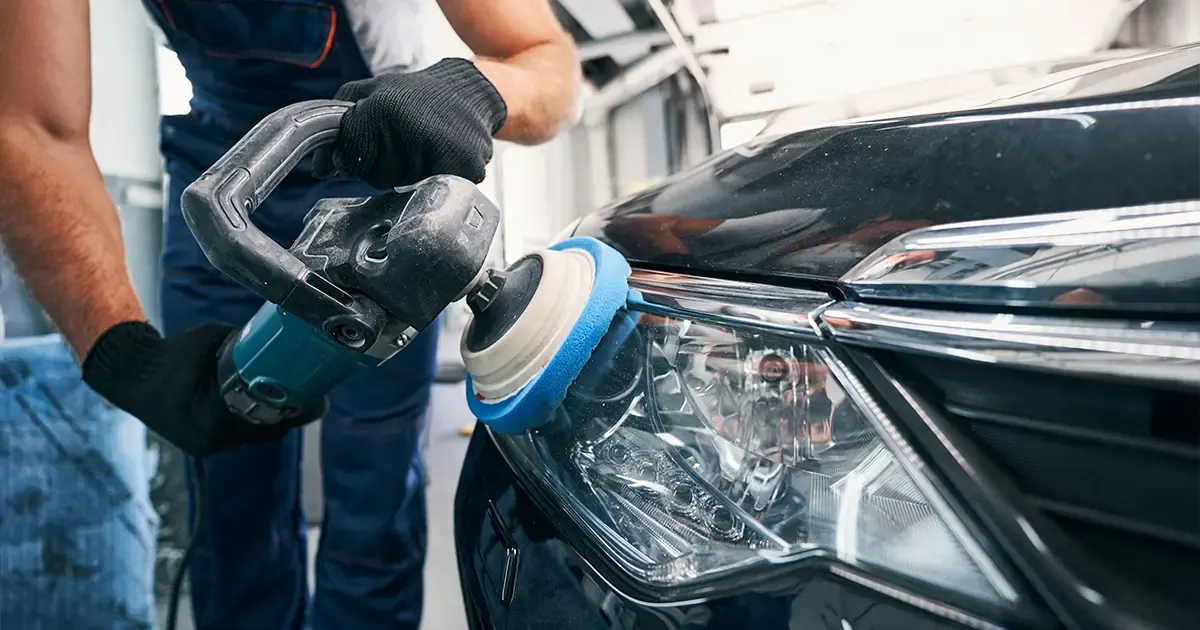
Rubbing compound is a mildly abrasive paste that removes fine scratches, oxidation and stains. Always choose a fine compound for headlights, because a coarse one can leave swirl marks. Follow these steps for the best result.
Clean and Dry the Headlights
Wash the headlights with soap and water to remove dirt and grime. Dry them completely, because moisture stops the compound from working well.
Apply a Small Amount of Compound
Put a small amount of fine compound on a clean microfiber cloth or foam pad. Spread it lightly over the lens surface.
Rub in Small Circles
Move the cloth in small circular motions with light pressure. Continue for about 2 to 3 minutes on each headlight. Never let the compound dry on the lens.
Wipe Away the Residue
Use a fresh, clean cloth to wipe off any leftover compound. Check the lens in good light and repeat the step if dull spots remain.
Polish and Seal the Lens
Finish with a headlight polish or a UV sealant. The sealant protects the plastic and stops oxidation from coming back quickly.
Why Headlights Turn Yellow and Cloudy
Headlights face constant sunlight, dust, moisture and road chemicals. These cause oxidation, which forms a cloudy layer on the lens. UV rays also break down the plastic's protective coating and turn it yellow.
Yellow lenses do more than spoil the look of your car. They lower brightness, cut visibility at night and can become a safety issue. Regular cleaning helps, but once oxidation starts you need a stronger fix. Think of rubbing compound as an exfoliant that removes the dull top layer to reveal clear plastic.
The same sun damage affects paint too, which is why regular detailing matters in a hot climate.
Mistakes to Avoid When Using Rubbing Compound
Careless use can do more harm than good. Avoid these common mistakes:
- Too much pressure: Pressing hard can scratch the plastic surface and leave marks that are harder to remove.
- Skipping the cleaning step: Dirt left on the lens gets trapped under the cloth and creates more fine scratches.
- Letting the compound dry: Dried compound leaves marks on the lens and makes buffing it off much more difficult.
- Working on wet headlights: Moisture on the surface stops the compound from working properly, so dry the lens first.
- Not sealing afterwards: Without UV protection, oxidation returns quickly and the headlights turn cloudy again within a short time.
Other Ways to Restore and Protect Headlights
Rubbing compound is not the only option. Headlight restoration kits come with sanding pads, polish and a UV coating. The toothpaste method helps with minor oxidation, but the results are temporary. Badly yellowed or scratched lenses need professional detailing with special polishing tools and coatings.
After restoring the lenses, protect them from future damage. Park in the shade or a garage whenever possible. Apply a UV sealant or headlight protection film. Clean the headlights regularly with mild car shampoo and avoid harsh chemicals. A car cover also shields the lenses from sun and dust. These simple habits keep the lenses bright and safe for night driving.
Frequently Asked Questions
Should I use a coarse or fine compound on headlights?
Always use a fine rubbing compound on headlights. A coarse compound can leave swirl marks or deep scratches on the plastic lens. The fine type removes only the dull top layer and reveals clear plastic.
How long should I rub the compound on each headlight?
Rub the compound for about 2 to 3 minutes per headlight, using small circles and light pressure. Wash and dry the lens first. Wipe away the residue with a fresh cloth when finished.
Does toothpaste work on cloudy headlights?
Toothpaste can help with minor oxidation on cloudy headlights. However, the results are only temporary. For badly yellowed or scratched lenses, a restoration kit or professional detailing gives longer-lasting clarity.
How can I stop headlights turning yellow again?
Seal the lens with a UV sealant or protection film after restoring it. Park in the shade when possible. Wash the headlights with mild car shampoo and avoid harsh chemicals that damage plastic.
Conclusion
Rubbing compound is a simple, effective way to remove oxidation and restore clear headlights. Yes, you can use it safely on plastic lenses. Choose a fine compound, apply it gently and seal the lens afterwards.
For very cloudy lenses, our car detailing and polishing team at Royal Prince Auto Care can help.
Written by the team at Royal Prince Auto Care, Dubai Investment Park. Questions about your car? Get in touch.