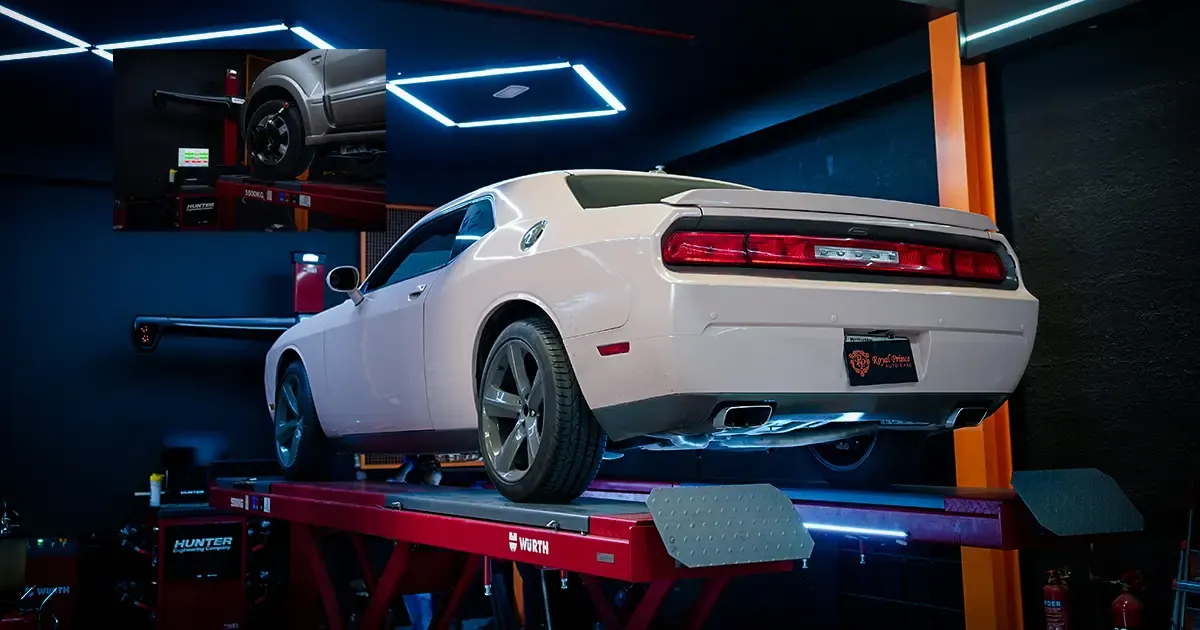


Quick Summary
To protect your car's body, wash it every two weeks, wax it every three months and park in the shade. A breathable car cover, mild car shampoo and careful driving also prevent rust, fading and chips. Fixing dents and scratches early helps car owners keep paint shiny and resale value high.
Your car's body is the first thing people see. Sun, dust, dirt and daily use slowly cause rust, scratches and fading paint.
To protect your car's body, wash it every two weeks and wax it every three months. Park in the shade, use a breathable cover and fix dents early. Use mild car products and drive carefully to avoid chips from stones.
Simple Ways to Protect Your Car's Body
Wash Your Car Regularly
Dirt and mud build up on the surface and slowly damage the paint. Over time, this fades the colour and can lead to rust. Wash your car at least once every two weeks, and more often in heavy dust or rain.
Use a gentle car shampoo instead of dish soap. Dry the car with a microfiber cloth to avoid scratches.
Apply Wax for Extra Protection
Wax adds shine and creates a shield against sunlight, rain and dirt. It keeps the surface smooth, so dust and debris stick less. Wax every three months, or more often in harsh weather.
Apply a thin layer with a clean sponge, then buff it off gently once dry. Our car wax buying guide helps you pick the right product.
Park in Shaded or Covered Areas
Long hours in direct sunlight fade paint and weaken the clear coat. UV rays also make paint look dull and crack rubber parts. Park in a garage, carport or shaded area whenever you can.
Use a Car Cover for Extra Safety
A car cover keeps away dust, rain and harmful UV rays. It also guards against bird droppings, tree sap and accidental scratches. Choose a cover that fits well and uses breathable fabric, so moisture does not get trapped and cause rust.
Read more about the benefits of using a car cover.
Fix Dents and Scratches Early
Small dents and scratches can lead to bigger problems. Once the paint breaks, moisture and dirt reach the metal and cause rust. Use touch-up paint for minor marks and see a body shop for deeper scratches.
Our guide on how to repair car dents at home covers small fixes. Check the surface after long trips or bad weather.
Avoid Harsh Cleaning Chemicals
Some household glass or floor cleaners contain strong chemicals that strip paint and wax. Use mild car shampoo, pH-balanced cleaners and microfiber towels instead. Rinse loose dirt first, then wash gently in circular motions. Avoid rough sponges or brushes that scratch the surface.
Drive Carefully and Avoid Gravel Roads
Fast driving on gravel or dirty roads throws small stones at the paint. Slow down on rough roads and keep a safe distance from other vehicles. Avoid parking near construction areas where debris may fall.
Extra Habits for Long-Lasting Protection
These extra habits make a big difference over time and save money on paint repairs.
- Park away from hazards: Avoid construction sites and bushes to prevent scratches from falling debris, branches and rough surfaces.
- Use paint sealants: Sealants give a longer-lasting shine and form a protective layer against dirt and UV rays.
- Coastal air: Salt in the air speeds up rust and corrosion on metal parts, so wash often.
- Bird droppings and sap: Remove them at once, as they quickly damage paint and leave permanent stains if left.
- Consider ceramic coating: A ceramic coating gives advanced, long-term protection and a deep, glossy finish to the paint.
Signs Your Car's Body Needs Attention
Small problems on the body grow if you ignore them. Check your car often for these signs.
- Faded paint: Colour looks lighter on panels that face the sun, and the clear coat loses its shine.
- Chips and scratches: Small stones and car washes leave marks that break the paint and expose the metal underneath.
- Rust spots: Brown spots near chips, door edges or the underbody mean moisture has reached bare metal.
- Permanent stains: Marks from bird droppings or tree sap stay on the paint even after a careful wash.
- Cracked rubber parts: Seals and trim dry out and crack after long hours in strong direct sunlight every day.
Fixing these early keeps repairs small and protects resale value.
Frequently Asked Questions
Can dish soap damage car paint?
Yes, dish soap and household cleaners are not made for cars and can harm the finish. Some glass or floor cleaners strip off paint and wax. Mild car shampoo and microfiber towels are safer.
Why should a car cover be breathable?
A breathable cover stops moisture from getting trapped underneath. Trapped moisture can lead to rust on the body. The cover should also fit well, so it blocks dust, rain, UV rays and bird droppings.
How quickly should bird droppings be cleaned off a car?
Bird droppings and tree sap should be washed off right away. Left on the paint, they cause damage and permanent stains. Parking away from trees and bushes, or using a cover, reduces the problem.
What causes small chips in car paint?
Small stones thrown up on gravel or dirty roads are a common cause of chips. Slowing down on rough roads helps. Keeping a safe distance from other vehicles and avoiding construction areas also prevents chips.
Conclusion
Washing, waxing, shaded parking, a good cover and early repairs keep your car's body strong. Mild cleaners and careful driving prevent scratches, chips and rust.
These 7 simple habits keep your paint shining and help protect resale value. For expert care, visit Royal Prince Auto Care for our car detailing and polishing service.
Written by the team at Royal Prince Auto Care, Dubai Investment Park. Questions about your car? Get in touch.