

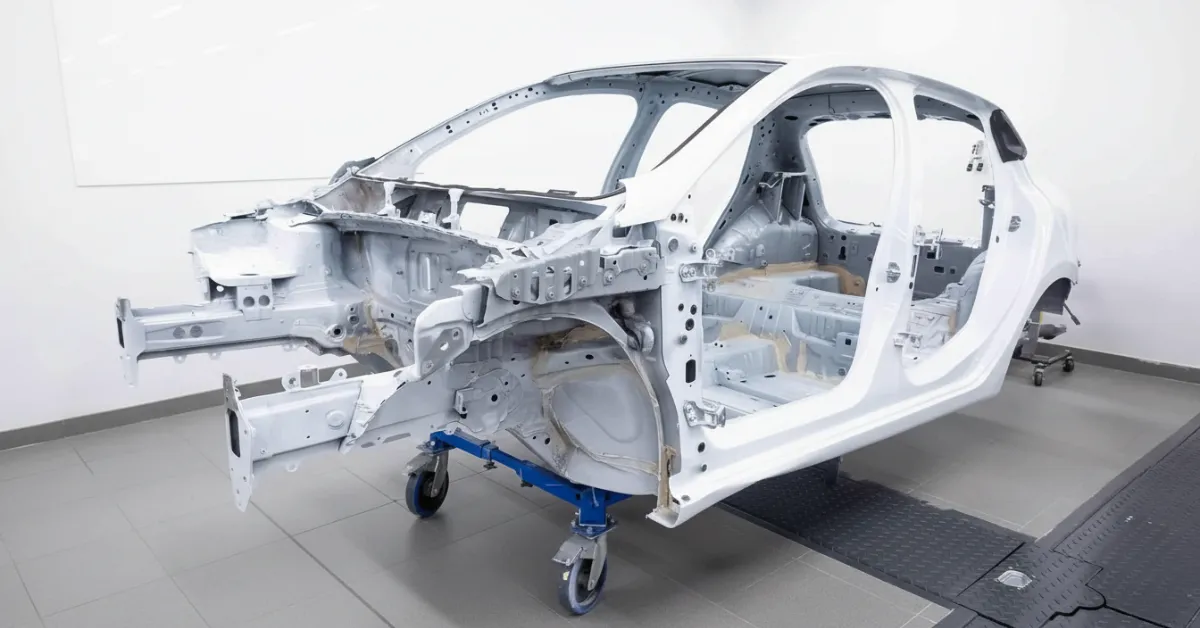
When your car hits a curb, pothole, or gets into an accident, one of the most worrying problems is damage to the chassis. A damaged chassis can affect the car’s safety, handling, and overall performance. Many people wonder if this kind of damage can be fixed.
The good news is that in most cases, chassis damage can be repaired if it is handled by professionals. With the right tools, expertise, and techniques, you can restore your vehicle’s frame. Knowing how to repair a damaged chassis safely is crucial for long-term vehicle health.
What Is Chassis Damage?
Chassis damage occurs when the main frame of your car gets bent, cracked, or weakened. The chassis acts like the backbone of your vehicle, holding the engine, suspension, and body together. Damage can happen in accidents, hitting large objects, or rust weakening the frame over time.
You can often check the chassis number to confirm the frame’s identity and track its repair history. Signs of a damaged chassis include unusual noises, uneven tire wear, misaligned doors, or your car pulling to one side. Even minor damage can create safety problems, so knowing the condition of your frame is important.
Can You Repair a Damaged Chassis?
Yes, in most cases, a damaged chassis can be repaired, but it depends on the type and severity of the damage. Minor bends or small cracks can usually be fixed by professionals using special machines that straighten the frame.
Rusted sections or deeper cracks may require cutting out the damaged part and welding a new piece. Repairing a chassis restores the car’s strength, alignment, and safety.
However, extremely severe damage might need a full chassis replacement. Understanding the repair options and working with skilled technicians ensures that your car is safe and performs well after the repair.
Causes of Chassis Damage
Chassis damage can happen for several reasons, including:
- Car accidents: Even low-speed collisions can bend or crack the frame.
- Poor road conditions: Potholes, bumps, and uneven surfaces put extra stress on the chassis over time.
- Rust and corrosion: Corroded metal weakens the frame, making it more likely to bend or break.
- Overloading the vehicle: Carrying heavy loads regularly or towing beyond the car’s capacity can strain the chassis.
These factors can damage the car’s chassis gradually or suddenly, so it’s important to inspect and maintain the chassis regularly.
How Do Professionals Repair Chassis Damage?
Repairing a damaged chassis is not a simple DIY task. Professionals follow these steps to fix it safely:
- Step 1: Thorough inspection: Check the car carefully to find all areas of damage.
- Step 2: Assessment of damage: Decide if the chassis can be straightened, needs welding, or requires part replacement.
- Step 3: Realignment: Use hydraulic machines to straighten bent frames and restore proper shape.
- Step 4: Repair or replace damaged sections: Cut out cracked or rusted parts and weld new metal if needed.
- Step 5: Rust treatment: Clean and reinforce corroded areas to strengthen the frame.
- Step 6: Alignment check: Ensure the car’s suspension, steering, and body panels are restored to factory standards.
- Step 7: Final safety inspection: Confirm that the repair is safe and that the car drives correctly.
These steps ensure that the vehicle’s frame is strong, safe, and performs properly after repair.
When to Replace the Chassis?
In some extreme cases, repair may not be enough. If the chassis is severely bent, cracked, or rusted beyond repair, replacement might be the safest option. This is usually more expensive but ensures the car’s safety.
Professionals will assess whether straightening, welding, or full replacement is necessary. Choosing the right approach depends on the car’s age, value, and the extent of damage. Safety should always be the top priority when deciding between repair and replacement.
How To Prevent Chassis Damage?
Preventing damage is always better than repairing it. Some ways to protect your car’s chassis include:
- Avoid driving over potholes and rough roads at high speed.
- Do not overload your car or exceed towing limits.
- Check for rust regularly and treat it early.
- Drive carefully in accidents or tight spaces.
Routine maintenance and inspections can also catch small issues before they become major problems. Protecting your chassis extends the life of your car and keeps it safe.
Conclusion
Yes, chassis damage can be repaired in most cases if handled by experienced professionals. Straightening bent frames, welding cracks, and replacing rusted sections are common methods used to restore the car’s strength. However, severe damage may require a full replacement to ensure safety. Understanding the signs, causes, and repair process helps car owners make informed decisions. Taking steps to protect your car from damage is also essential. If you want to safely restore your car’s frame, trusting experts who can skillfully handle a damaged chassis is key.For reliable and professional service, contact Royal Prince Auto Care today to ensure your vehicle gets the best care and safe repairs.