
Quick Summary
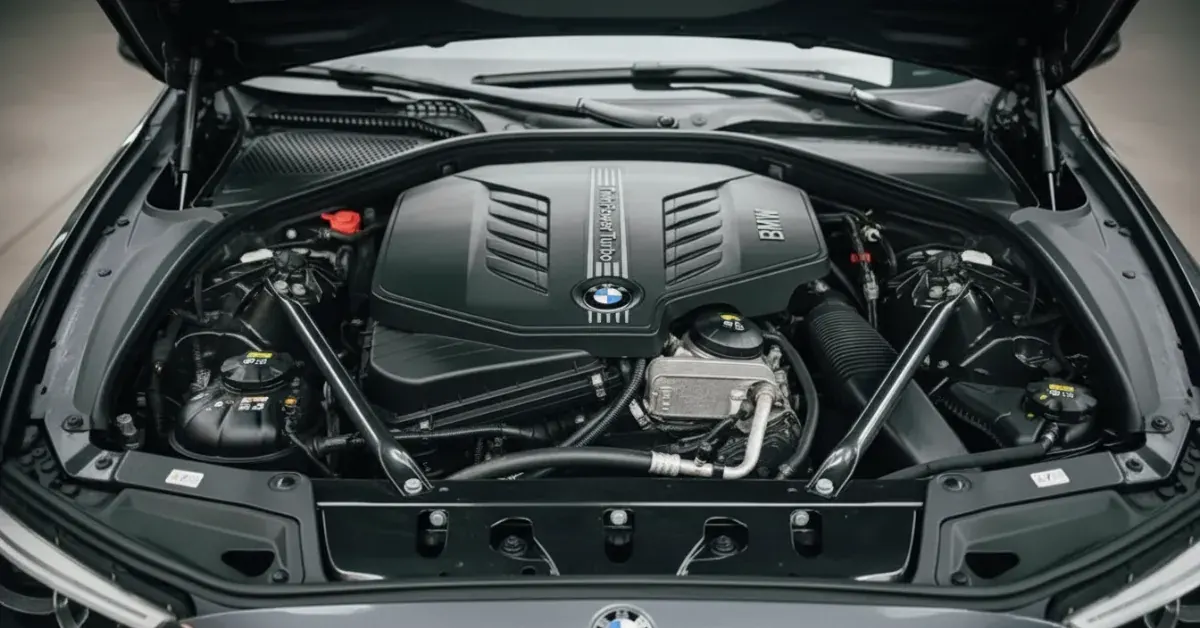
BMW engine problems you should never ignore include oil leaks, overheating, timing chain wear and misfires. Fuel pump failure, turbo trouble, coolant leaks and sensor faults are also common. Each fault gives warning signs like oil spots, rattles or rough idling. BMW owners who act early can avoid major engine damage and higher repair bills.
Most BMW engine faults start small and grow slowly over time. Oil leaks, overheating and timing chain wear are among the most common. Caught early, most of them can be fixed before major damage.
The main BMW engine problems are oil leaks, overheating, timing chain wear and misfires. Fuel pump failure, turbo trouble, coolant leaks and sensor faults are also common. Each starts with clear warning signs, and early repair saves money and protects the engine.
Common BMW Engine Faults and Their Fixes
Oil Leaks from Engine Seals
Oil leaks are very common in older BMW engines. The valve cover gasket or oil filter housing often wears out. Leaking oil means the engine loses proper lubrication, which can cause damage. You may see oil spots under the car or notice a burning smell. Replace worn seals early and check the oil level often. Our guide to engine oil leak causes and prevention explains more.
Engine Overheating
Overheating happens when the cooling system fails. A weak water pump, a blocked radiator or low coolant can cause it. Warning signs include a rising temperature gauge and steam from the hood. If ignored, it can damage the whole engine. Check the coolant level, replace faulty parts and clean the radiator. These steps to find the root cause of overheating can help.
Timing Chain Wear
A worn timing chain often makes a rattling noise at start-up. In some BMW engines, the chain stretches over time. This affects engine timing and performance. If the chain breaks, it can cause serious damage. Have it inspected and replaced once the noise starts. Good engine oil also helps reduce wear.
Spark Plug and Ignition Coil Failure
Bad spark plugs or ignition coils lead to engine misfires. You may feel shaking, weak power or poor fuel use. This happens when the parts wear out or get dirty. The fix is a simple replacement of the plugs and coils. High-quality fuel and regular tune-ups help them last longer.
Fuel Pump Problems
A weak fuel pump cannot send enough fuel to the engine. This may cause starting trouble or a sudden engine shut-off. You may also feel the car struggle when you accelerate. Dirt in the fuel or long use often causes this issue. Replace the pump and keep the fuel tank clean. Good fuel quality also helps prevent early pump damage.
Turbocharger Issues
Turbo engines give more power, but the turbo faces stress over time. A damaged turbo can cause power loss, loud noise or smoke from the exhaust. Poor oil supply or high heat is the usual cause. Regular oil changes and checks for worn turbo parts help. Severe damage may need a turbo replacement.
Coolant System Leaks
Coolant leaks reduce the engine's ability to stay cool. Hoses, the radiator or the coolant tank can crack over time. You may see a low coolant warning or rising engine heat. Replace the damaged parts and refill the coolant properly. Routine checks of hoses and joints help prevent sudden leaks.
Sensor and Idle Issues
Modern BMW engines use many sensors to control performance. A failed sensor can cause rough idling or wrong signals. This affects fuel use and driving comfort. Dirt and electrical faults are the common causes. The fix is cleaning or replacing the sensor after proper diagnosis. A full computer scan during service finds hidden faults early.
Warning Signs Your BMW Engine Needs Attention
Most of these faults give clear signals before they turn serious. Watch for these signs:
- Oil spots: Oil under the car points to worn seals. A burning smell often comes with it as well.
- Rising temperature gauge: The cooling system may be failing. Steam from the hood means you should stop driving soon.
- Rattle at start-up: This noise often means the timing chain has stretched. It needs an inspection before the chain breaks.
- Shaking or weak power: Worn spark plugs or ignition coils can cause misfires. Poor fuel use is another common clue.
- Smoke from the exhaust: A damaged turbo can cause smoke and loud noise. You may also notice a clear loss of power.
- Rough idle: A faulty sensor may send wrong signals to the engine. A computer scan finds the exact fault quickly.
How to Prevent BMW Engine Problems
Most BMW engine problems can be prevented with simple, regular care. Small issues like leaks, heat rise or weak power should never be ignored. They can turn into big repairs if left alone.
Follow the service schedule and use good engine oil. This protects the timing chain and the turbo. Use high-quality fuel to help the fuel pump, spark plugs and coils last longer. Ask for the cooling system to be checked at every service. A full computer scan finds sensor faults early. Your driving habits also affect how fast engine parts wear. Quick action keeps a small repair from becoming a costly one.
Frequently Asked Questions
What causes oil leaks in older BMW engines?
Oil leaks in older BMW engines usually come from a worn valve cover gasket or oil filter housing. Replacing worn seals early stops the leak. Checking the oil level often also helps protect the engine.
Why does my BMW rattle at start-up?
A rattle at start-up often signals timing chain wear. In some BMW engines, the chain stretches over time. A broken chain causes serious damage, so get it checked as soon as you hear it.
Can a failing turbo cause smoke from the exhaust?
Yes, a damaged turbocharger can cause exhaust smoke, power loss and loud noise. Poor oil supply or high heat usually causes the damage. Regular oil changes help, but severe damage may need a new turbo.
What are the signs of a bad spark plug or ignition coil?
Bad spark plugs or ignition coils usually cause engine misfires. You may feel shaking, weak power or poor fuel economy. The fix is to replace the worn plugs and coils, then use high-quality fuel.
Conclusion
BMW engines are strong, but leaks, overheating, chain wear and misfires can appear over time. Fuel pump, turbo, coolant and sensor faults are also common. The problems you should never ignore are the ones that give clear warning signs. Fixing them early saves money and protects the engine.
For trusted inspection and repair, bring your car to Royal Prince Auto Care for expert BMW service in Dubai.
Written by the team at Royal Prince Auto Care, Dubai Investment Park. Questions about your car? Get in touch.