

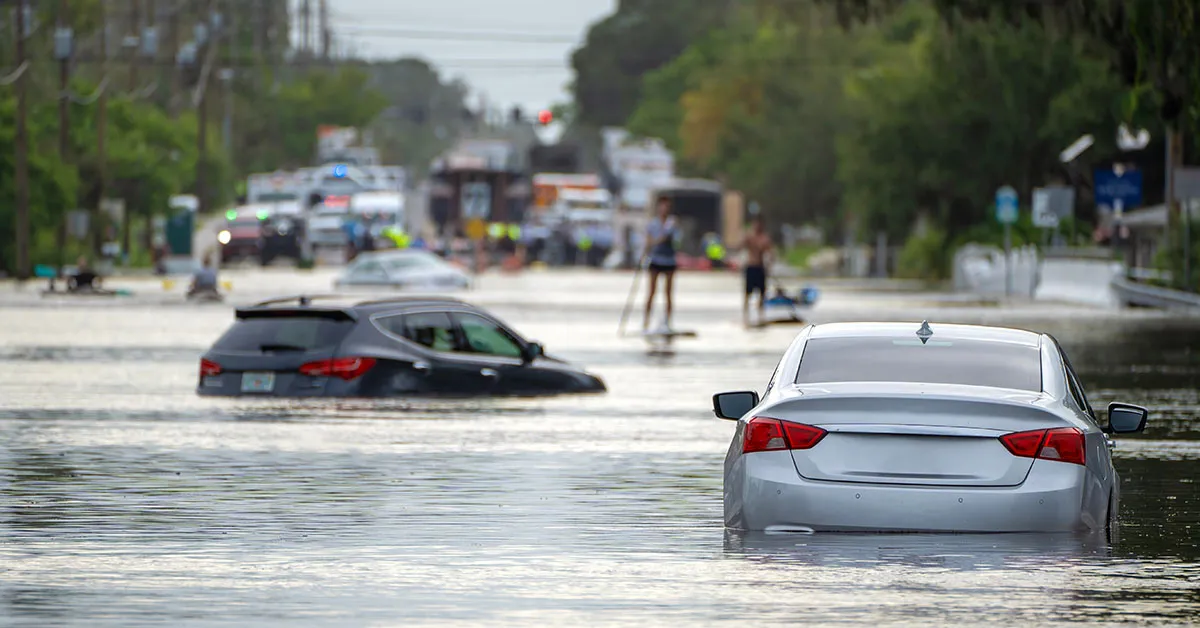
Water damage in a car can happen unexpectedly, whether from heavy rain, flooding, or even small leaks. Even a little water can create serious problems if it reaches the engine, electrical systems, or interior parts. Taking quick action can prevent long-term damage and costly repairs.
Knowing what to do immediately after water enters your car is essential. This guide explains simple steps to remove water, dry your car, and check for hidden issues. Following these measures can help keep your vehicle safe, functional, and in good condition.
Problems Caused by Water Damage in Your Car
Water damage in a car can create many unexpected problems. It doesn’t just wet the seats or carpets; it can affect the engine, electrical systems, and even your safety while driving. Acting too late can make repairs expensive and complicated.
1. Engine Damage
Water entering the engine can cause serious problems, such as hydrolock. This happens when water gets into the cylinders, preventing the engine from turning over and potentially breaking internal parts. Even a small amount can lead to expensive repairs.
2. Electrical System Issues
Water can short-circuit your car’s electrical components. This includes sensors, dashboard electronics, power windows, lights, and the engine computer. Malfunctions may appear immediately or show up later if water corrodes connections.
3. Interior Damage
Seats, carpets, and upholstery absorb water quickly. Left damp, they develop mould, mildew, and unpleasant odors. Stains and weakened fabrics can make the interior uncomfortable and reduce the car’s value.
4. Rust and Corrosion
Water that seeps into the underbody, doors, or hidden metal parts speeds up rust formation. Corrosion weakens structural components and can lead to long-term mechanical problems if not addressed promptly.
5. Safety Hazards
Water damage can affect brakes, airbags, and steering sensors. Even minor issues with these systems can make driving unsafe, so inspecting water-damaged cars promptly is crucial.
Steps to Take If Your Car Gets Water Damage
When water enters your car, acting fast can prevent serious damage. Simple steps like removing water, drying the interior, and checking systems can save your vehicle from costly repairs. Knowing what to do immediately helps keep your car safe and functional.
Don’t Start the Engine
Never try to start the engine if water has entered the car. Turning it on can cause hydrolock and severe engine damage. Always switch off the ignition and keep the battery disconnected until inspected.
Remove Standing Water Quickly
Use a wet/dry vacuum or towels to remove as much water as possible from carpets, seats, and floors. Remove floor mats and seat covers. Open doors and windows to allow airflow and speed up drying.
Dry the Interior Thoroughly
Set up fans or a dehumidifier if possible. Check under seats and inside door panels for hidden moisture. Complete drying can take 24–72 hours, but it prevents mold, mildew, and corrosion.
Check Electrical and Mechanical Systems
Test all lights, power windows, and dashboard electronics carefully. Inspect fluids, such as engine oil, for water contamination. If anything seems off, don’t ignore it; even small issues can worsen over time.
Call the Experts
For serious water damage, it’s best to call trained professionals. Royal Prince Auto Care provides expert water damage repair, from interior drying to engine repair and electrical diagnostics. Their skilled team ensures your car is safe, fully restored, and ready to drive without hidden problems.
Preventive Tips to Avoid Water Damage in Your Car
- Check Seals and Weatherstripping: Ensure doors, windows, and the sunroof seal are intact to prevent water from entering the car.
- Clear Drains: Remove leaves and debris from sunroof drains and door channels to ensure water flows properly.
- Park Wisely: Avoid low-lying areas, underpasses, and flood-prone streets during heavy rain.
- Monitor Heavy Rain Forecasts: Plan your trips around severe weather and avoid driving through deep water.
- Regular Service: Keep up with car maintenance to catch leaks, worn-out seals, or electrical issues before water damage occurs.
- Protect the Interior: Use floor mats, seat covers, and protective sprays to reduce water absorption in case of minor spills or leaks.
Final Thoughts
Water damage in your car can happen quickly, but taking the right steps immediately can prevent serious problems. Removing water, drying the interior, checking electrical and mechanical systems, and knowing when to call experts are all essential to keep your car safe and functional.
Following preventive tips, staying alert during heavy rains, and keeping up with regular car maintenance will reduce the risk of future water damage. Acting fast and staying prepared ensures your vehicle stays in good condition for years to come.